

Are you ready for winter?
Green Bay, Wisconsin is not exactly known for its warm winter days and its lack of snow. It’s going to be cold. There will be ice.
So how can you best protect your Green Bay rental property? In our experience as property managers, we can tell you that more than basic maintenance is required.
Here’s a look at what you’ll need to do to survive the winter with your property value and condition intact.
Our Overview:
|
Winter in Wisconsin: Your Green Bay Weather Forecast
Sometimes we come across someone who is new to our part of the country. Or, we’re trying to explain seasonal maintenance schedules to investors outside of the area.
They’re often surprised.
Winter in Green Bay, Wisconsin, is a season that commands attention. By late November, the city has likely received more than a little bit of snow already. Trees stand bare, their branches etched against the gray winter sky, and the lawn and walkways of your rental property are sure to be dusted with powdery frost. It’s pretty, but it’s also slippery. That can create some risk.
Temperatures frequently dip below freezing, which is stressful from a plumbing standpoint. The air outside carries a sharp bite that encourages bundled scarves, mittens, and heavy coats. Responsible landlords will want to make sure that cold air stays outside, and their rental properties are well-insulated so their residents are comfortable.
Anyone in Green Bay must become adept at navigating snowy roads, and it’s absolutely necessary to have your plow services and shoveling contracts in place before the winter arrives.
Despite the chill, winter in Green Bay has a quiet beauty. The city’s parks and trails take on a serene, almost magical quality, perfect for snowshoeing or a brisk walk. At dusk, streetlights cast a golden glow across snowy lawns, illuminating the soft haze of falling snowflakes.
We like winter. Your rental property may find the season less enchanting.
Seasonal Maintenance Suggestions: What to Do Before Winter Arrives
Winter in Green Bay, Wisconsin, is more than just a season; it's a test of resilience for rental property owners. With temperatures often plummeting below freezing and snow accumulating rapidly, ensuring your rental properties are winter-ready is crucial. Proactive seasonal and preventative maintenance can safeguard your investment and maintain tenant satisfaction.
If it’s the middle of December and your tenant is telling you the furnace is acting funny, there’s going to be a lot of scrambling. Let’s avoid that by checking the furnace and all the important systems before winter arrives. Here is your seasonal maintenance checklist for those late summer and autumn days.
1. Heating Systems
A reliable heating system is not just a comfort for your Green Bay tenants. It’s also a legal requirement, and one that city officials will take quite seriously.
Heat is a habitability issue. Landlords are required to provide a safe and operable heat source for tenants, and any failure in heating must be repaired promptly. These are the action steps you’ll take before winter really sets in to ensure the heat works properly all season long.
Action Steps:
Annual Inspection. Schedule a professional HVAC inspection before the heating season to ensure your system is running efficiently and safely. By having a contract in place already with a qualified HVAC company, you will likely be prioritized. We have a great team of vendors and service professionals who provide high quality work at competitive rates, so don’t hesitate to ask us for a referral.
- Filter Replacement. Encourage tenants to replace or clean furnace filters regularly to maintain air quality and system performance. This will help them to maintain a comfortable indoor temperature and better air quality. It will help you avoid expensive repair issues with the heating system at your property.
Thermostat Check. Make sure thermostats function correctly and aren’t obstructed by furniture or window coverings. This may be a good time to consider upgrading to a smart thermostat or one that requires less maintenance.
2. Insulation and Weatherproofing
The concept of weatherproofing is different here. There’s more to it than there is in other, warmer parts of the country. Make it a priority when you’re preparing your investment property for winter. Proper insulation and sealing prevent heat loss, reduce energy bills, and protect pipes from freezing.
Action Steps:
Attic Insulation. Verify that attic insulation meets recommended levels to retain heat effectively. This can be one of the most disastrous areas for cold air to come in and warm air to escape. Keep the attic as well-insulated as you can.
- Seal Gaps. Inspect and seal any gaps around windows, doors, and electrical outlets. Use caulk, expanding foam, or high-quality weatherstripping.
Pipe Insulation. Insulate exposed pipes in basements, crawl spaces, and garages to reduce the risk of freezing. Foam is a budget-friendly and easy-to-install option, while fiberglass offers better temperature resistance and durability. Rubber insulation is flexible and moisture-resistant, suitable for outdoor pipes.
3. Roof and Gutter Maintenance
The roof is going to feel the effects of winter far before any other part of your rental property in Green Bay. Give it the special and thorough attention that it deserves. Heavy snow and ice can lead to ice dams, which may cause leaks and interior damage.
Action Steps:
Gutter Cleaning. Ensure gutters are free of leaves and debris to allow proper drainage. A messy gutter will invite water intrusion into the home or building. Pests, too.
Roof Inspection. Check for damaged shingles, cracks, or other wear that could allow leaks. A well-maintained roof is the most important part of your plan heading into winter.
Ice Dam Prevention. Install heat cables or other protective measures in vulnerable areas to minimize ice buildup.
4. Exterior Maintenance
The exterior of your property is going to feel winter’s harsh elements. There’s no way to move the landscaping indoors. Prepare for the cold and the snow by preparing before anything freezes.
Action Steps:
Trim Trees and Shrubs. Remove dead or overhanging branches that could damage the property during storms. When the winds pick up, those branches and sticks could fly, causing additional problems.
Foundation Inspection. Look for cracks or signs of settling that could allow water or cold air to enter.
Outdoor Faucets. Disconnect hoses and drain outdoor faucets to prevent frozen pipes.
These seasonal maintenance issues should already be on your checklist. When you partner with our team, we’re making sure that there are no surprises when winter does arrive. Think about winter before it’s winter. That’s going to give you a better shot at protecting the value and condition of your investment and the comfort of your tenants.
Snow and Ice Removal
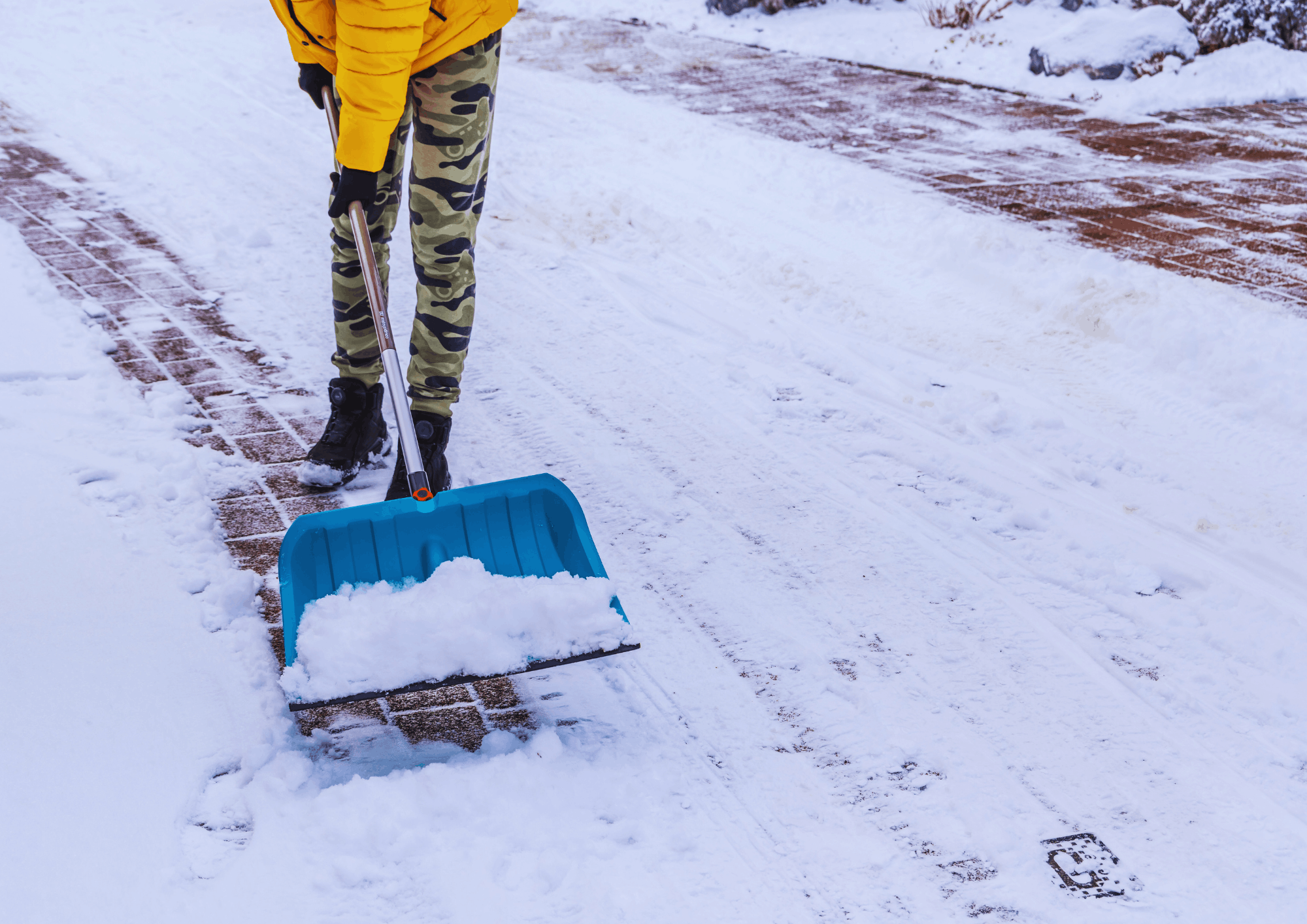
Let’s talk about snow and ice removal. Green Bay requires that snow and ice be removed from sidewalks within a timely manner. As a landlord, it’s crucial to keep walkways safe for tenants and visitors.
Whether you’re renting out a single-family home with a driveway and a path to the front door or a multi-family property that has steps and stones, you want to make sure it’s safe for tenants to come and go.
The lease agreement should stipulate who is responsible for snow removal. In most cases, it’s the landlord. If you’re renting out a property in an HOA, your association may take care of it.
Proper planning and communication can help landlords protect their tenants, avoid liability, and keep properties in good condition.
The first step is clearly defining responsibilities in your lease agreements. Many landlords choose to retain professional snow removal services for common areas and exterior walkways, while tenants may be responsible for clearing small, personal areas such as patios or private steps. Whatever arrangement you choose, it should be clearly documented in writing to prevent misunderstandings. Reinforce this with tenants as winter arrives, too. Maybe the tenants volunteered to take care of snow removal and landscaping when they moved in, but things have changed and they don’t think they’ll be able to shovel the two feet that have recently fallen. Offer to send a professional and roll those costs into any rental increase when it’s time to renew the lease.
We always recommend that you have a professional team at the ready. Our experience in Green Bay property management has shown us over and over again that professional snow removal services can be invaluable during heavy snowfall or when ice buildup is a concern. Landlords should schedule contracts in advance and verify that providers are reliable and equipped for winter storms. For smaller properties, having shovels, snow blowers, and ice melt on-site ensures quick response to changing weather conditions.
Think about your own liability. Tenants should also be educated on safe snow and ice practices. Encourage them to wear proper footwear, clear areas carefully, and apply ice melt where appropriate. Consider providing guidance on safe storage of snow, avoiding damage to landscaping, and recognizing hazardous conditions.
Finally, regular inspections during the winter months can help landlords ensure that snow and ice are managed promptly. Keeping pathways clear not only prevents accidents but also protects the property’s exterior surfaces from long-term damage caused by ice and water.
Frozen Pipe Prevention
Frozen pipes are one of the most common and costly winter problems in Green Bay. When water inside pipes freezes, it expands, which can cause pipes to burst and result in significant water damage. We have mentioned some of the preventative measures and seasonal maintenance attentions that can help prevent the concern that your pipes will freeze. This matter is especially close to our hearts because we know that such plumbing issues can lead to expensive repairs and water damage. They’re difficult to recover from, and we recommend avoiding them when you can.
Here’s how.
The first step is proper insulation. Exposed pipes in basements, crawl spaces, attics, and garages are especially vulnerable. Wrap these pipes with foam insulation sleeves or heat tape to maintain warmth during extreme cold. Ensuring that walls, attics, and crawl spaces are properly insulated also helps maintain overall property temperature and reduces the risk of freezing. |
Next, maintaining consistent heat is critical. Landlords should advise tenants to keep the thermostat at a minimum safe temperature, typically around 55°F, even when the property is unoccupied. Sudden drops in temperature inside the property significantly increase the risk of pipe freeze. |
Tenant education is another key factor. Encourage tenants to open cabinet doors under sinks to allow warmer air to circulate around pipes, particularly during cold snaps. Instruct them to let faucets drip slightly; moving water is less likely to freeze. Additionally, remind tenants to disconnect outdoor hoses and drain exterior faucets to prevent freezing in exposed outdoor lines. |
For properties with vulnerable plumbing, consider winterizing vacant homes. Shut off water to nonessential areas and drain the system if the property will be unoccupied for an extended period. Regular inspections during the cold months can help identify weak spots in the plumbing system before issues escalate.
By combining proper insulation, consistent heat, tenant guidance, and periodic inspections, landlords in Green Bay can greatly reduce the likelihood of frozen pipes. Proactive measures not only prevent costly repairs but also ensure tenant safety and comfort throughout the harsh Wisconsin winter.
Carbon Monoxide Safety
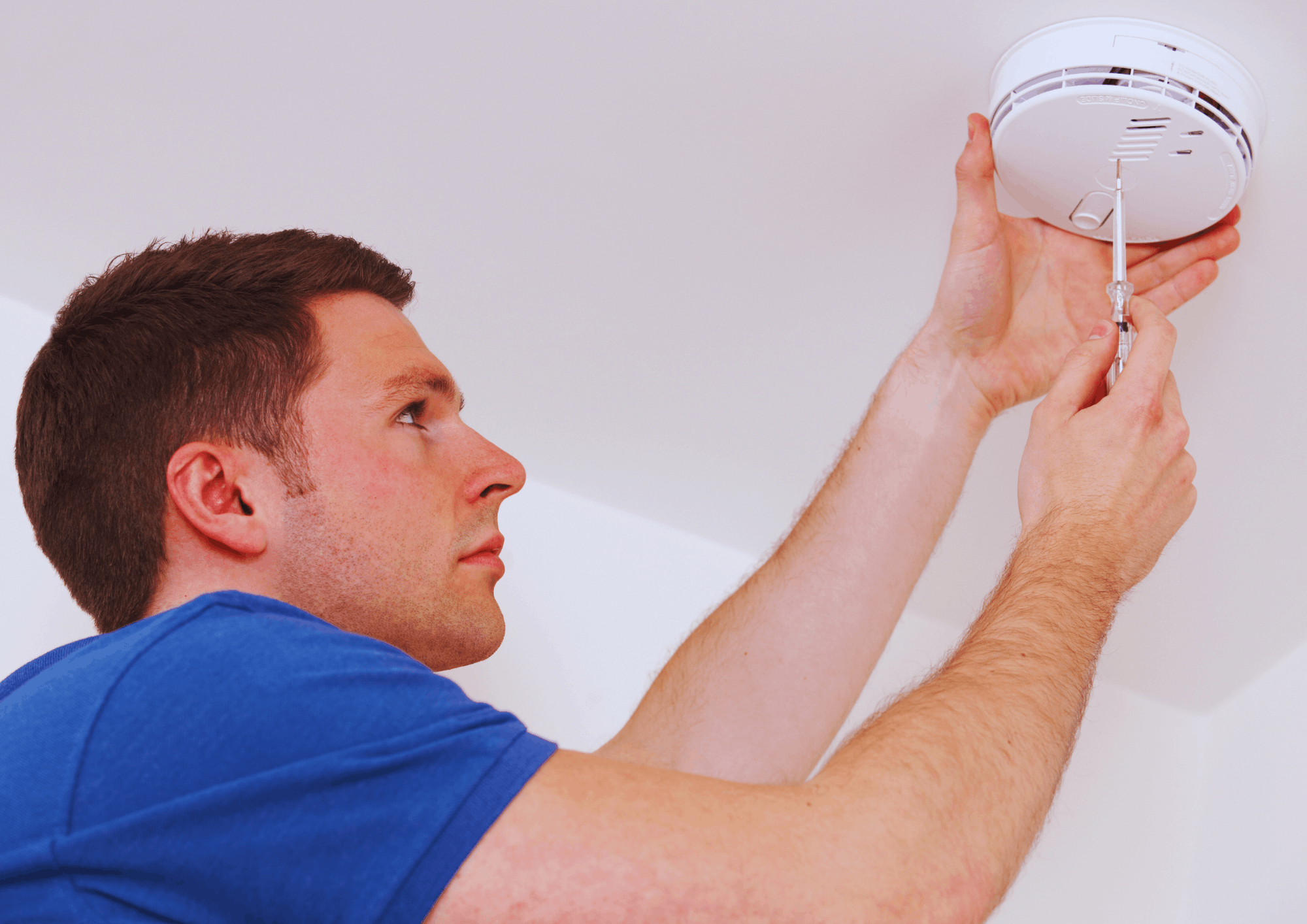
With heating systems running constantly, the risk of carbon monoxide (CO) exposure increases.
Carbon monoxide is an odorless, colorless gas that can be deadly if inhaled in high concentrations. For landlords, ensuring CO safety is both a legal obligation and a crucial step in protecting tenants.
The first line of defense is proper installation and maintenance of heating systems. Furnaces, boilers, and other gas or oil-burning appliances should be inspected annually by a licensed professional. Regular maintenance helps prevent leaks and ensures efficient, safe operation throughout the cold months.
Carbon monoxide detectors are essential. Landlords should install CO detectors near sleeping areas in every unit, following local building codes for placement. These detectors must be tested monthly and batteries replaced as needed. Tenants should also be instructed to report any malfunctioning devices immediately.
Educating tenants about CO risks is equally important. They should recognize the early symptoms of exposure, which include headache, dizziness, nausea, and fatigue. Tenants should also be informed about the proper response if an alarm sounds: evacuate the property immediately and contact emergency services.
Additional safety measures include keeping vents and chimneys clear of snow and debris and ensuring that portable fuel-burning devices, like space heaters or generators, are used only in well-ventilated areas.
By combining regular appliance maintenance, properly placed detectors, and tenant education, landlords can significantly reduce the risk of carbon monoxide incidents. These precautions help ensure tenants remain safe and healthy, providing peace of mind for them and for you.
Local Tips and Requirements
|
Being a Responsive and Supportive Landlord During Green Bay Winters
Beyond maintenance and preparation, one of the most important ways landlords can protect their tenants and create strong relationships is by being responsive and supportive during the cold months. A landlord who is attentive, communicative, and proactive can make a significant difference in tenant comfort, safety, and satisfaction.
Responsiveness begins with clear communication. Tenants should know how to reach you quickly if an issue arises. Whether it’s a heating concern, a blocked walkway, or a potentially hazardous situation, providing multiple ways to contact you, phone, email, or text, and responding promptly can prevent small problems from becoming emergencies. Even if a repair or solution cannot happen immediately, a quick acknowledgment of the tenant’s concern reassures them that they are heard and supported.
During extreme cold snaps, it’s helpful for landlords to check in with tenants proactively. A simple message or phone call asking whether they are managing the low temperatures or have any concerns demonstrates care and attentiveness. This level of communication not only helps ensure tenant safety but also strengthens trust, reducing stress for tenants who may be worried about living through dangerous winter conditions.
Supportive landlords also provide guidance and resources during particularly harsh weather. Sharing tips for staying warm, notifying tenants of local emergency resources, or reminding them of safety measures during icy conditions shows that you are invested in their well-being. Small gestures, like providing extra information about local warming centers or city alerts during storms, can make a big difference in tenant confidence and peace of mind.
Ultimately, being responsive and supportive goes beyond addressing problems as they arise. During the coldest months in Green Bay, tenants will remember landlords who reach out, check in, and provide reassurance.
 Let’s do our best to enjoy the winter while keeping your Green Bay rental property in excellent condition. Don’t do it alone. Partner with us and enjoy the convenience and the peace of mind. Please contact Blue Frog Property Management.